
Occupational Therapists in Schools

We partner with schools to create inclusive, regulated, and learning-ready environments where every student can thrive.

Our school-based Occupational Therapy services are designed to seamlessly integrate into school communities, supporting both individual students and whole-school capacity building. Services are typically accessed through Victorian Department of Education Tier 2 and Tier 3 funding or NSW Integration Funding Support, and many schools embed our Occupational Therapists weekly or fortnightly as part of their broader student support team.

We collaborate with school leadership teams, wellbeing staff, teachers, and families to enhance inclusive practices and encourage student participation across academic, social, and emotional areas. Our approach aims not only to support individual students but also to develop the skills, knowledge, and confidence of school staff to maintain inclusive learning environments.

Who it's for

Velit esse cillum

Available at

Fugiat nulla pariatur

Funding

Excepteur sint occaecat

Our Approach in Schools

WHR Allied Health proudly partners with schools across New South Wales and Victoria. In NSW, we are approved under the NSW Department of Education Specialist Allied Health Scheme, and in Victoria, we work with a growing number of schools to deliver flexible, evidence-informed supports. We are accredited and experienced to deliver a broad range of standardised assessments which can be utilised to support clinical observations and intervention plans for students and the schools we work with. These can also strengthen Disability Inclusion Funding requests/reviews for our SSG’s and school executives.

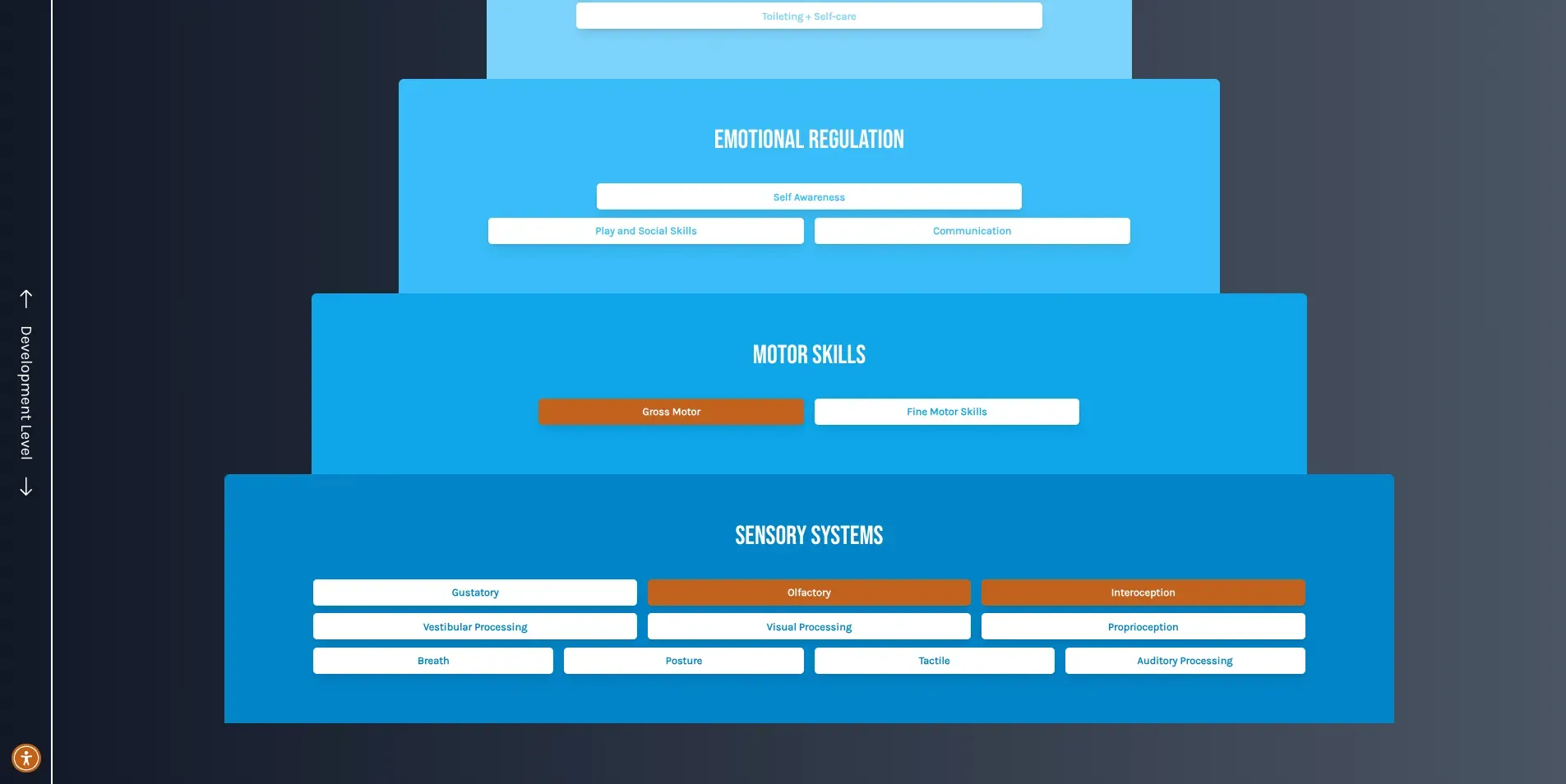
Our Occupational Therapy approach is guided by our Layers of Learning model. By addressing these foundational skills, we help students develop the capacity to engage meaningfully in the classroom and school environment.

Whether we are supporting a student in regulating emotions, strengthening fine motor skills, improving attention and participation, or building independence in daily classroom tasks, our Occupational Therapists become part of the school community, delivering practical strategies and measurable outcomes that benefit both students and staff.


The Layers of Learning

Our approach is based on how the brain and nervous system develop—layer by layer. Just like a house needs a strong foundation, children need well-developed sensory and motor systems to build more complex skills.

Our Layers of Learning framework supports:

  • Core sensory processing: vestibular, tactile, auditory, proprioceptive, and interoceptive systems
  • Motor skills: gross and fine motor coordination, bilateral integration
  • Social and emotional development
  • Functional skills: regulation, planning, independence

We use this lens to assess and design supports tailored to each student’s developmental stage and classroom demands.
Screenshot 2026-07-08 at 11.48.15 am.png

Universal Supports

Whole-school initiatives create a shared language and toolkit for student regulation and engagement. Our OTs help schools implement:

  • Sensory-friendly classrooms and playground design
  • Movement-based learning supports
  • Teacher supports that are unique to your culture and learning environments
  • Environmental audits and visual supports that promote independence and calm

These supports benefit all students—not just those with diagnosed needs—and embed inclusive practices across the entire school day.


Targeted Interventions

For students who need more focused assistance, we provide small-group programs that build skills in a fun, structured environment. These may include:

  • Handwriting and fine motor readiness groups
  • Play-based social skills sessions
  • Emotional literacy and self-regulation programs
  • Gross motor groups focusing on balance, strength, and coordination

We tailor group content to class needs and developmental levels, often co-delivered with school staff for better carryover.

Individualised Therapy

Some students require direct one-on-one OT input—often supported by NDIS funding, school-based funding, or as part of learning support programs. Our individual sessions may focus on:

  • Sensory processing and regulation
  • Transitioning between tasks and spaces
  • Developing classroom-ready routines (e.g., unpacking, seating, task initiation)
  • Self-care: toileting, dressing, eating, hygiene
  • Functional communication and executive function

These sessions are tailored, practical, and often integrated into real-time classroom or playground settings.

Collaborative Delivery

We don’t just deliver sessions—we build team capacity. WHRAH therapists:

  • Observe students in natural settings
  • Co-plan with teachers and learning support staff
  • Join student support meetings
  • Provide practical coaching to embed strategies into the daily routine
  • Offer regular communication with families to support home–school connection

This collaborative model ensures strategies are more than a list—they become second nature to the school team and to the student.

Ready when you are

Make a referral today

We welcome referrals from individuals, families, healthcare providers and community organisations. It's quick, easy, and our intake team responds within two business days.

Keep Exploring

Related services